When Rust On Your Old Furnace Signals Replacement Time
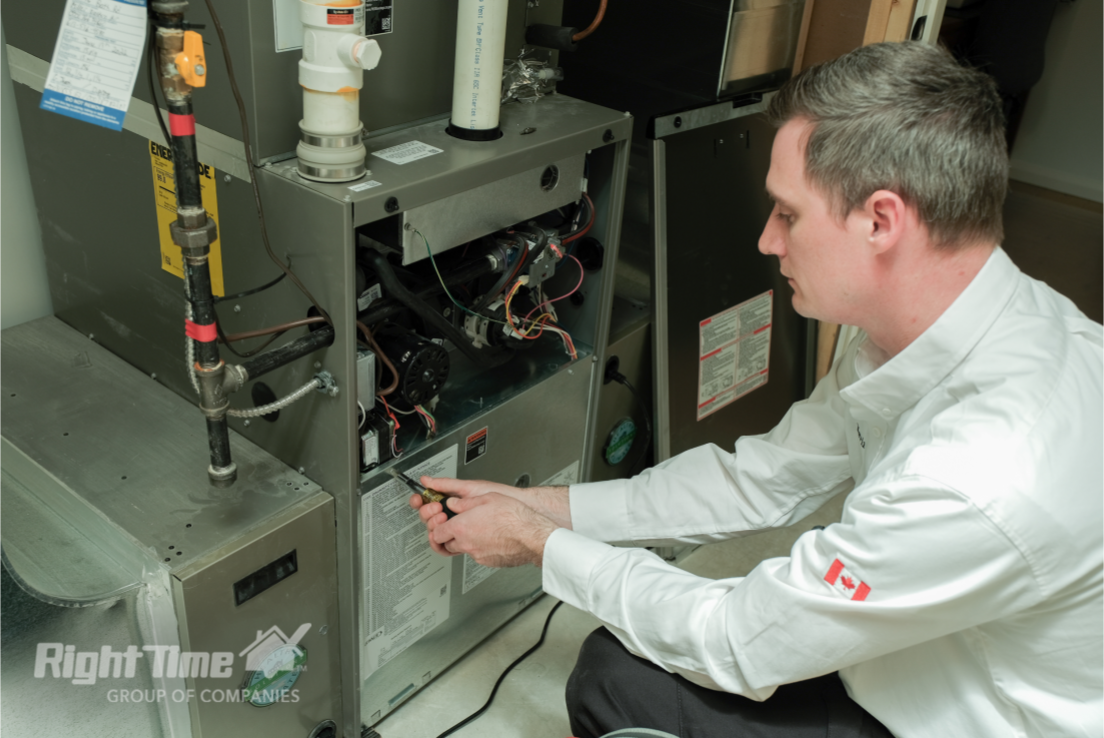
When rust appears on your furnace, especially on a system that’s been running for over a decade, it’s often more than just a cosmetic issue. That orange-brown corrosion you’re seeing could be your heating system’s way of telling you it’s time for a replacement.
In Ontario’s climate, where harsh winters and temperature fluctuations create the perfect storm for moisture buildup, rust typically develops on critical components like the heat exchanger, burners, or cabinet. This corrosion doesn’t just affect appearance—it weakens the structural integrity of your furnace, leading to cracks or holes that compromise both efficiency and safety.
The Hidden Dangers Behind Visible Rust
What makes rust particularly concerning is that it often signals problems you can’t see. A cracked heat exchanger, which can be caused by corrosion over time, is one of the most serious concerns because it can allow carbon monoxide to enter the home. Carbon monoxide is colourless and odourless, so it’s important to take any warning signs seriously and keep working CO alarms in place.
If you suspect a CO issue, treat it as urgent: shut the system down if it’s safe to do so, leave the area if anyone feels unwell, and contact a qualified professional right away. For fuel-burning equipment in Ontario, fuel-related work should be handled by appropriately qualified technicians rather than DIY fixes. For systems approaching the typical 15-20 year lifespan, rust often accompanies other hidden issues like deteriorated flue pipes, which can cause blockages or improper venting of exhaust gases.
Older furnaces may also harbour problems like faulty ignition systems or worn-out blower motors, all concealed behind rust-covered panels. These issues result in uneven heating, strange noises, or frequent cycling—clear signs that your system is working harder than it should and potentially creating fire hazards from overheating components.
Warning Signs Beyond the Rust
What You Can Do Safely (Before You Book Service)
Homeowner-safe steps include replacing the furnace filter, keeping supply vents and return grilles clear, and looking for obvious water staining or rust spread on the cabinet. Do not remove sealed panels or attempt adjustments to burners, gas controls, venting, or electrical components. If you’re unsure, leave the system off and call a professional.
When Rust Often Means It’s Time to Replace
Rust becomes more than “surface-level” when it recurs, spreads quickly, or appears alongside performance issues such as frequent cycling, uneven heating, rising operating costs, or recurring breakdowns. If the system is already in the later stages of its service life and multiple components are failing simultaneously, furnace replacement may be a more reliable long-term option than stacking repairs.
Repair vs Replace: A Simple Decision Filter
Consider furnace repair when the rust is minor, localized, and the system is otherwise running consistently with no safety concerns. Replacement becomes more likely when rust is paired with suspected heat exchanger damage, ongoing venting problems, repeated lockouts, or recurring, costly failures. A professional inspection can confirm what’s actually failing and what makes sense to fix versus retire.
Pay attention to subtle indicators that often accompany rust formation. Increased dust accumulation throughout your home may stem from rusted filters or ducts allowing contaminants to circulate freely. A persistent musty odour could indicate mold growth in corroded areas where moisture has taken hold.
In aging systems, electrical wiring insulation can degrade alongside rust, raising the risk of short circuits or fires. Reduced airflow from clogged, corroded vents forces your system to overwork, accelerating wear on components like the inducer motor and driving up energy costs significantly.
Professional inspections become crucial at this stage, as technicians use specialized tools like combustion analysers to detect issues that aren’t immediately visible. Ignoring rust can lead to cascading problems that extend beyond your furnace itself, potentially indicating broader inefficiencies like inadequate insulation or poor duct sealing that affect your entire home’s heating performance.
Ensure Your Home’s Safety With Oosterveld
If you notice rust on your furnace, it may be time to book an inspection and talk through your options for safety and reliability. Oosterveld supports homeowners in Guelph with furnace installation services and assessments when replacement is the right fit. Our team can review what you’re seeing and recommend the next step based on the system’s needs.
Don’t take any chances with your heating system. Trust professional guidance and make the right choice for your home. For dependable furnace inspection in Guelph, reach out to us today.